

High viscosity & filler sedimentation causing unstable flow

열전도성 페이스트 (TIM)
With the rise of high-power electronics and compact system designs, effective thermal management has become critical to ensure reliability and performance. Thermal Interface Materials (TIMs) such as gap fillers and greases are used to bridge air gaps between heat-generating components and heat sinks, improving heat transfer efficiency. However, these highly viscous materials present challenges in accurate volume control and void-free application.
Key Challenges in Gap Fillers (TIM) Dispensing
Material separation under pressure or heat

Abrasion and wear in wetted parts

Air entrapment and voids
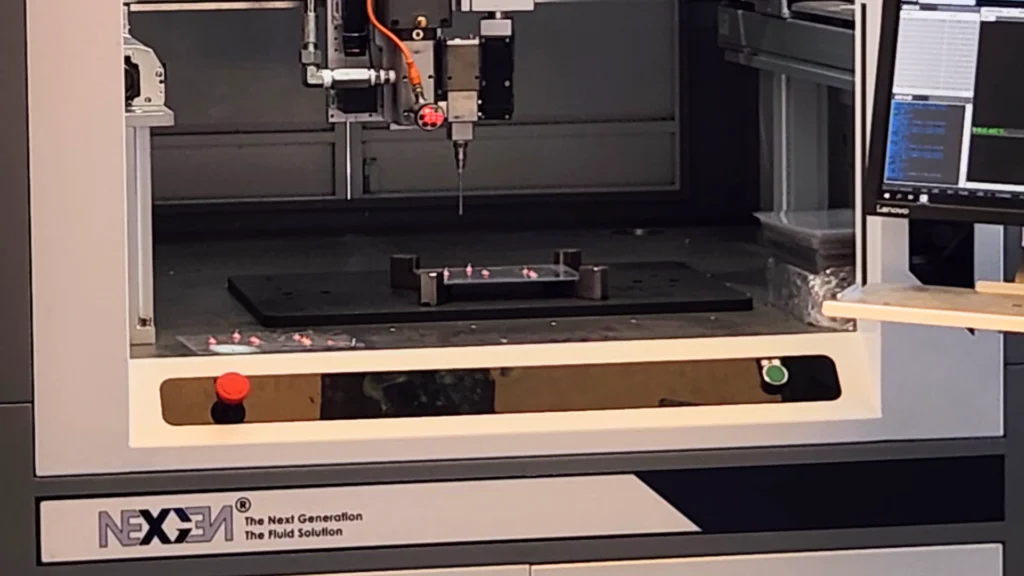
Material Anti-Separation Dispensing System for Thermal Gap Fillers

- Uniform, void-free material distribution for optimal thermal conductivity
- Smooth and repeatable bead profile across varying gap sizes
- Extended component lifespan and reduced maintenance downtime
Typical Industries
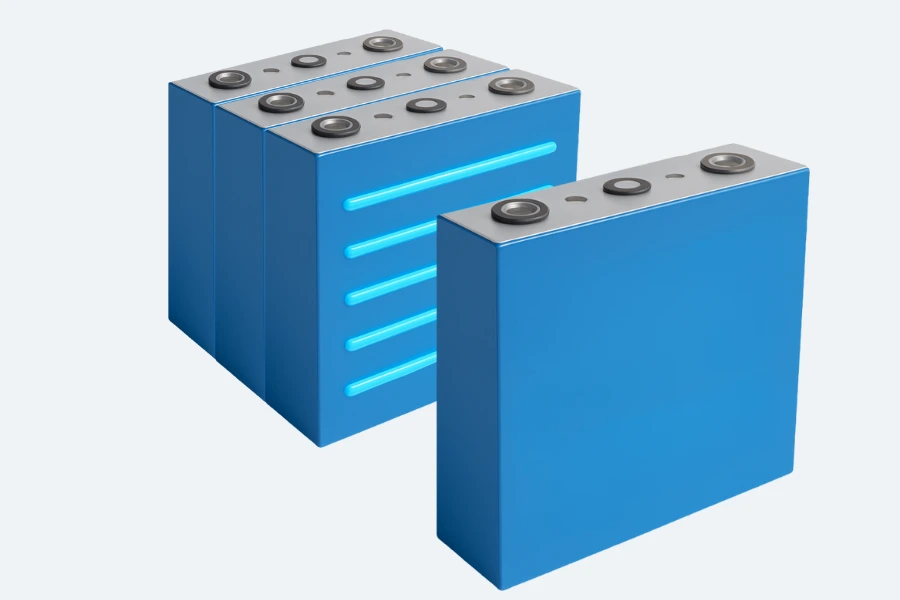
Battery cell and module thermal management
Applying thermal gap fillers between cylindrical, prismatic, or pouch cells and cooling plates to enhance heat transfer, extend battery lifespan, and ensure pack safety.
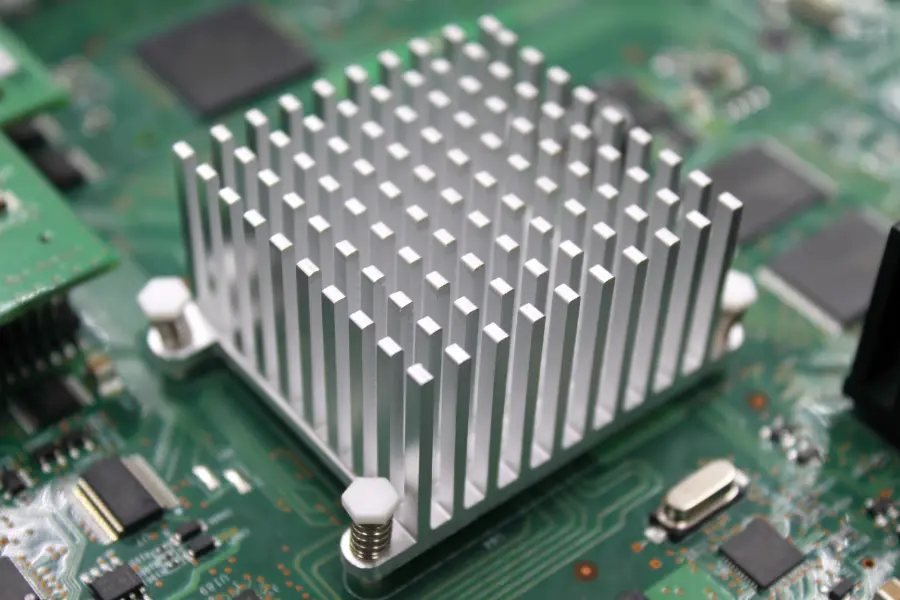
Power electronics and inverter cooling
Filling gaps between power modules, IGBTs, or heat sinks to maintain stable operating temperatures and prevent thermal runaway in EVs and industrial drives.
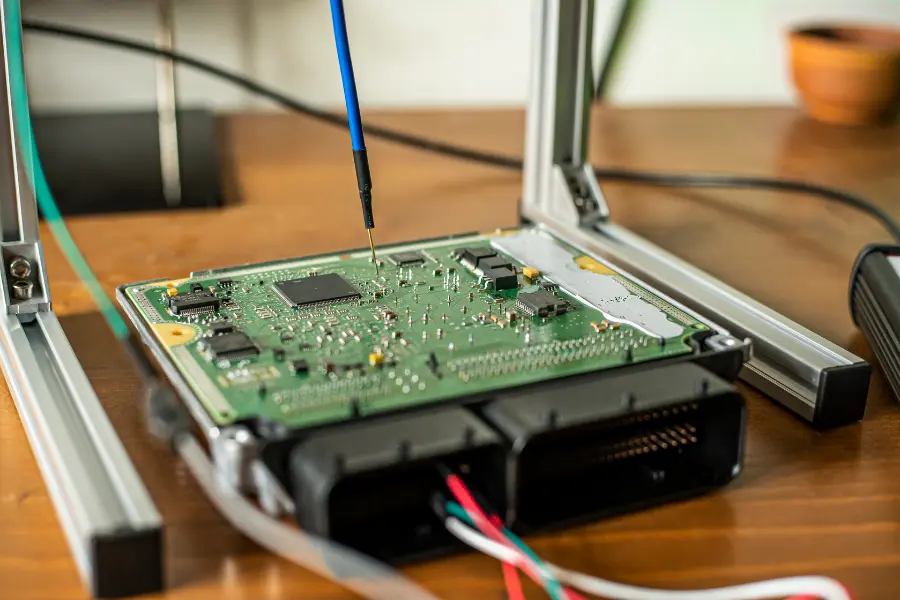
Automotive ECU and sensor assembly
Dispensing high-viscosity TIMs between housings and PCBs in engine control units, radar modules, and camera systems for consistent heat dissipation and durability.
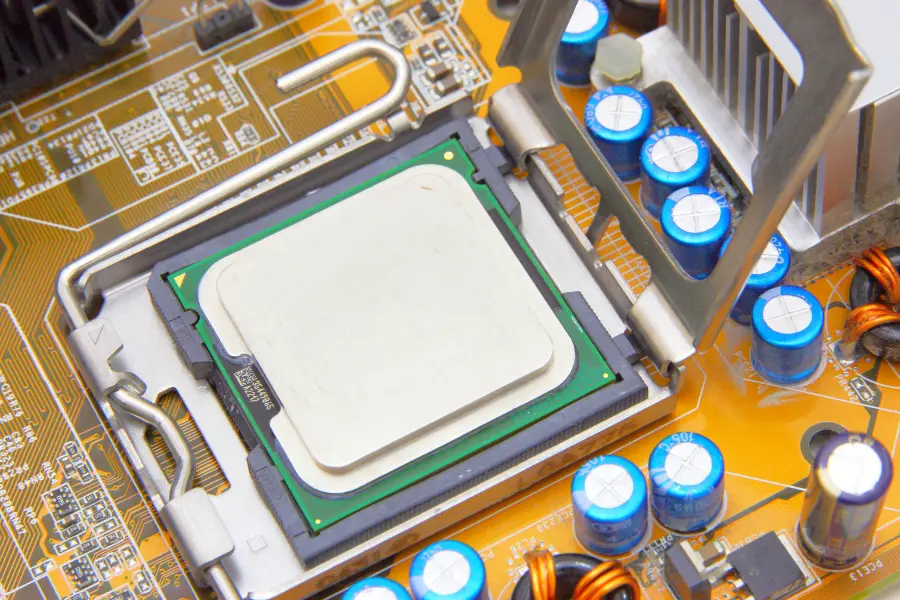
Consumer electronics heat spreading
Filling irregular gaps between processors, heat spreaders, and casings in laptops, smartphones, and gaming devices to improve comfort and performance.