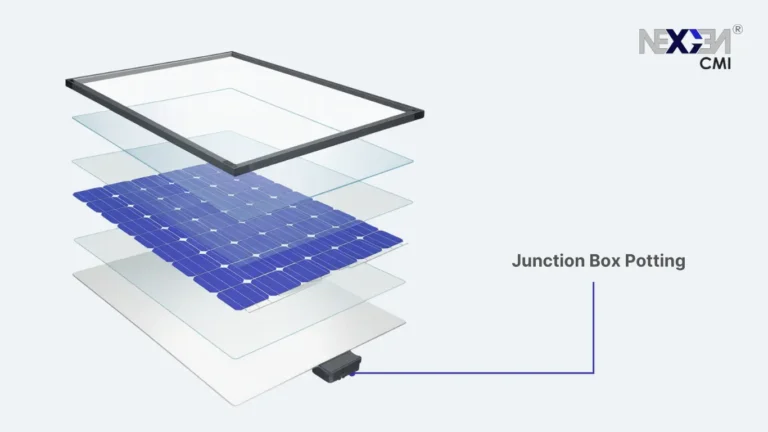




Just as junction boxes need protection, the edges of the solar panel laminate also require sealing against the elements. The panel’s perimeter is a potential entry point for moisture and humidity, which can gradually penetrate the laminate (between the glass, encapsulant, and backsheet or second glass) and cause performance degradation. In fact, moisture is often called “the enemy” of solar modules – water ingress can lead to corrosion of conductive parts and even chemical breakdown of encapsulant films, resulting in power loss and module failure. Edge sealing is a process of applying a sealant around the border of the panel to create a moisture barrier. By properly sealing the panel edges, manufacturers can greatly extend the module’s service life and reliability.
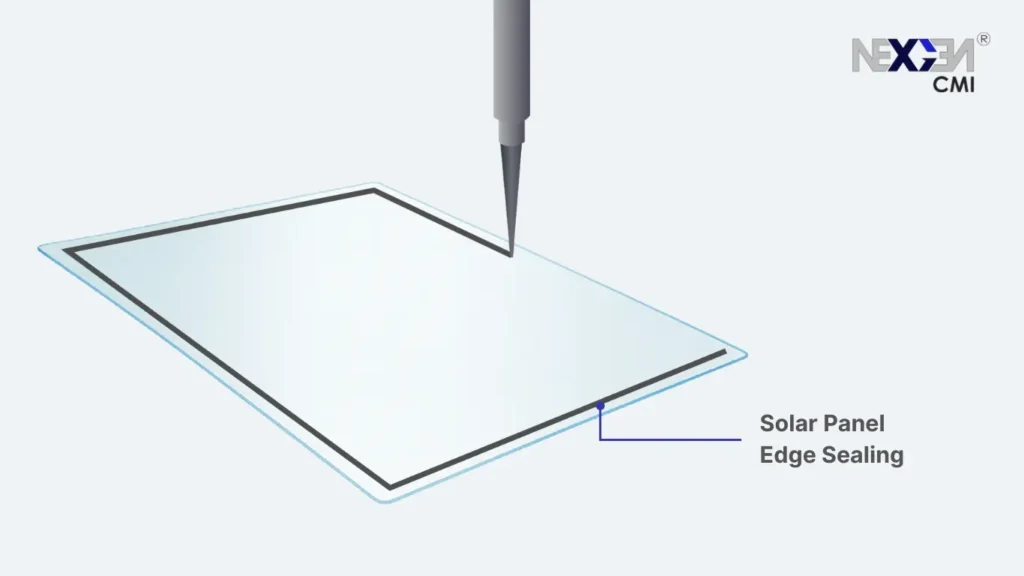
Edge sealants are used in both thin-film and crystalline silicon PV modules as an additional line of defense against the environment. They delay moisture ingress, protecting the solar cells, electrical interconnections, and transparent conductive oxide layers from corrosion and degradation. A good edge seal also helps maintain the panel’s electrical insulation by preventing moisture from creating leakage currents or shorts along the edges. With the industry pushing for lower degradation rates and 30+ year lifetimes, advanced edge sealing technologies have become increasingly important.
Several types of sealant materials are used for solar panel edge sealing. One common class is butyl-based sealants, often in the form of polyisobutylene (PIB) rubber adhesives. These butyl edge sealants are popular because they create a strong, impermeable seal against moisture and gas ingress. Another widely used material is silicone sealant. Silicone polymers are naturally very resistant to heat and UV, and they adhere strongly to glass and metal surfaces. Silicone edge sealants can maintain an airtight, watertight seal for decades, as evidenced by their use in building facades and solar frames.
Applying edge sealant uniformly around a large panel is a challenging task, and consistency is crucial for the seal to be effective. Modern factories are increasingly shifting to liquid-applied edge sealants dispensed by automated equipment for better control. Using a dispensing system, the sealant is applied as a continuous bead all the way around the panel’s perimeter, forming a seamless seal.
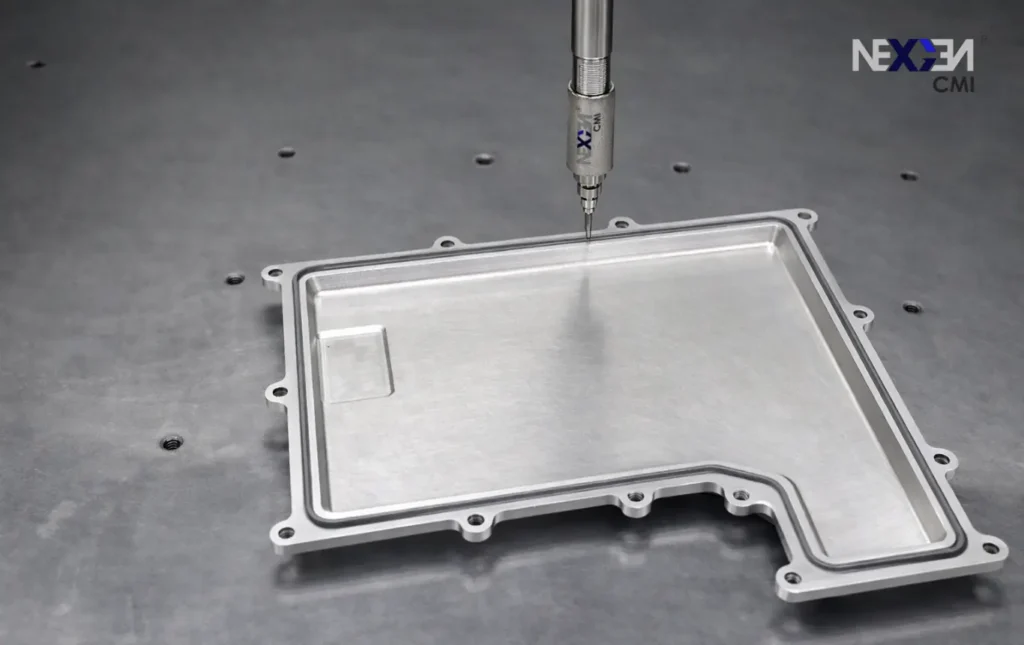
To achieve a uniform edge seal, the dispensing equipment must precisely control the bead size and placement. One challenge is that many edge sealants (like PIB butyl) are high-viscosity and need to be applied warm. Maintaining the proper temperature is critical – if the material is too cool, it won’t flow evenly and could result in a discontinuous or bumpy bead; too hot, and it might string or sag. Advanced dispensing systems address this by precisely regulating temperature and pressure to ensure a consistent, uniform bead around the entire panel.
Another consideration is line speed: edge sealing is usually one of the final steps in module assembly, so it needs to keep up with the production takt time. Automated dispensing cells are designed to apply the sealant quickly and repeatably, often with vision systems or sensors to verify bead quality. By using the right equipment, solar manufacturers can greatly improve their edge seal quality and throughput – reducing rework and scrapped panels.
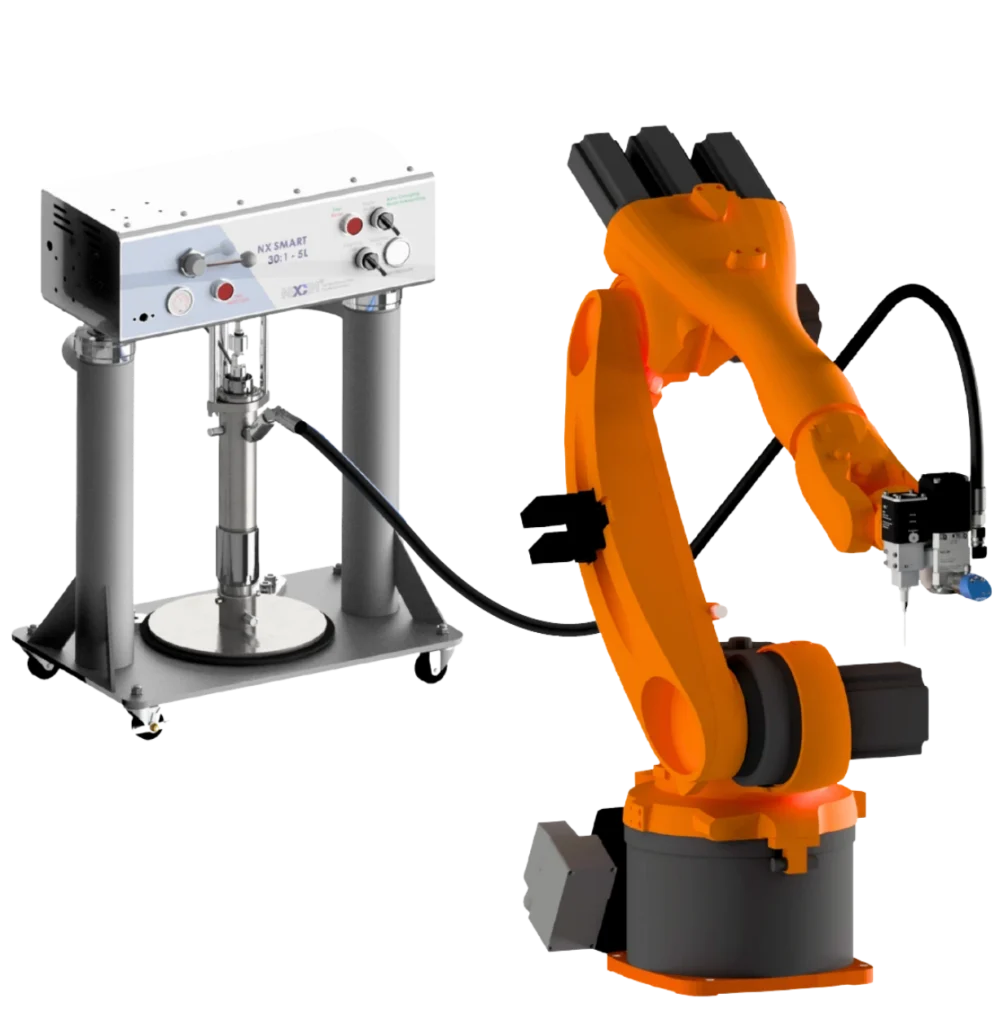
For edge sealing applications, NEXGEN CMI offers automated dispensing setups that apply a continuous, uniform sealant bead around the panel edges with excellent accuracy. Our solution maintains optimal dispensing temperature and flow control, resulting in a robust seal with no gaps or excess waste. Contact us for detail consultation!