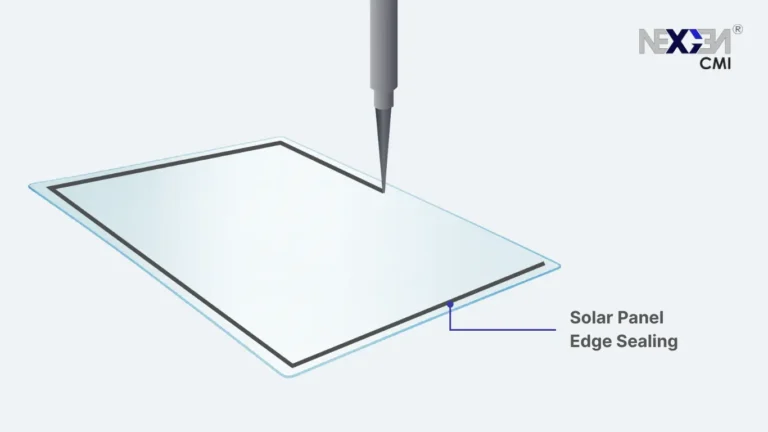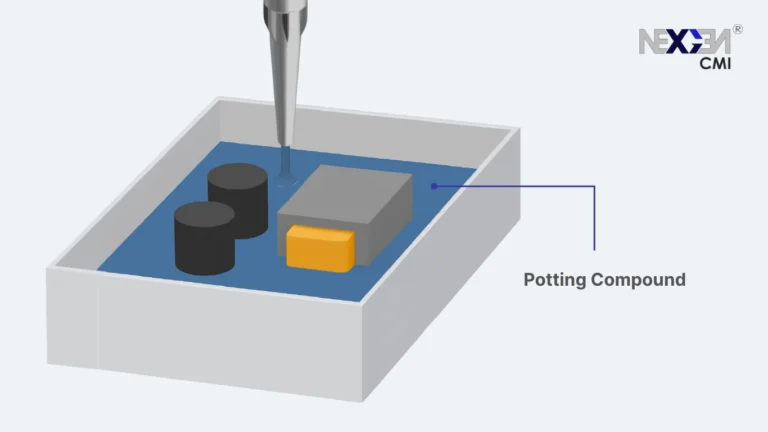



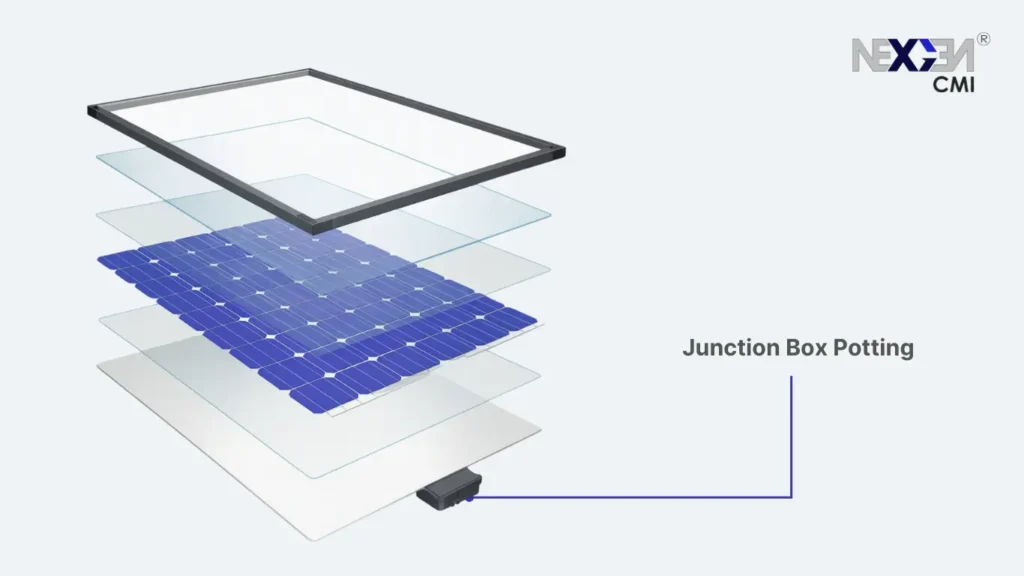
Solar panel junction boxes are installed on the backside of photovoltaic (PV) modules to house electrical connections (such as diode assemblies and ribbon cables). Potting the junction box with a resin encapsulant is essential to protect these vital connections from environmental damage. The potted compound forms a sealed barrier that prevents moisture ingress and corrosion of metal contacts, thereby preserving the panel’s long-term performance.
The potting compound seals out rain, humidity and contaminants, preventing corrosion of wires and connectors. Even if some moisture breaches the box, a proper encapsulant keeps it away from the electrical contacts. This is crucial for maintaining reliable electrical performance over decades. A hardened potting also withstands wide temperature swings and UV exposure without degrading, which is important for outdoor lifespan.
Potting is typically done with thermosetting resin compounds that cure into a durable solid. The two most common chemistries are epoxies and polyurethanes, which have long track records in outdoor electrical encapsulation. However, applying potting compounds in a production setting comes with technical challenges:
- Many potting materials are two-component (2K) resins – such as a resin base and a hardener – that must be mixed in the correct ratio and dispensed before they begin to cure. This demands precise metering and mixing equipment. Ensuring the correct ratio, thorough mixing, and air-free dispensing of the potting is critical. Any deviation can result in an incomplete cure or pockets of unprotected area in the junction box.
- The consistency and repeatability of each shot of potting material is paramount – every junction box should receive the right amount of resin to fully encapsulate the connections without overflow. In high-volume panel manufacturing, controlling material ratio, flow rate, and shot size for each dispense is essential to quality and throughput.
- The potting material also needs to adhere to a variety of substrates inside the box (plastic enclosures, metal ribbons, the glass or backsheet of the module), so the dispensing process should fill all gaps and bond well to each surface.
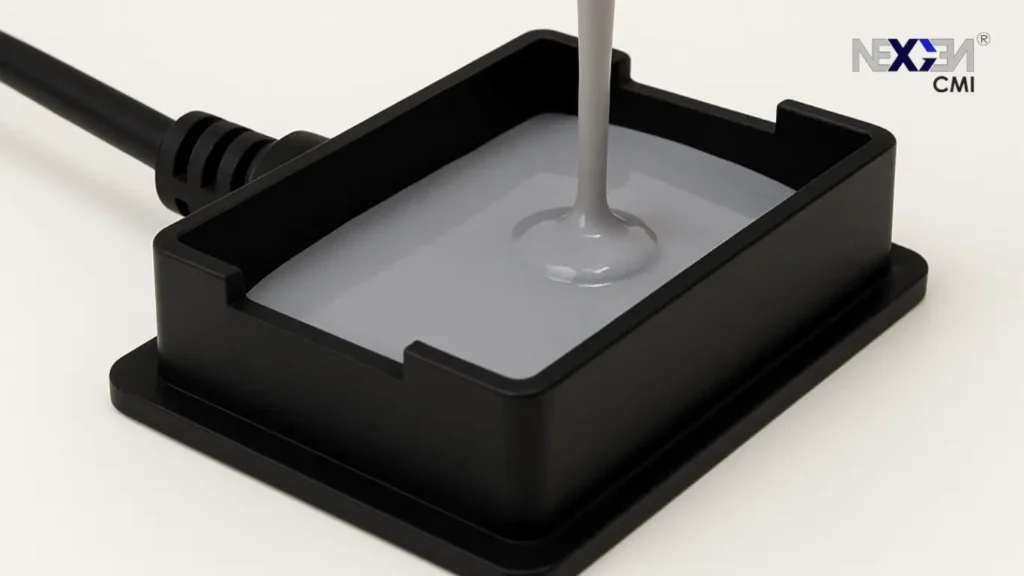
Achieving reliable potting and edge sealing comes down to having the right dispensing technology and process expertise. NEXGEN CMI’s dispensing solutions are specifically designed to meet the challenges outlined above for solar panel manufacturing. We provide equipment for metering, mixing, and dispensing potting compounds into junction boxes with high precision and consistency. Our systems ensure that each junction box is filled with the correct ratio and volume of encapsulant every time, protecting your panel electronics from moisture and guaranteeing long-term performance.
Our technical team works closely with you to select or customize the best equipment and parameters for your specific materials. We help ensure that your panels meet industry standards and customer expectations for durability and reliability. Contact NEXGEN CMI to learn more about our potting and edge sealant dispensing systems, and how we can support your solar panel production.
Potting System Consultation